
Dashboards forecourt operators actually read: design patterns from the control room
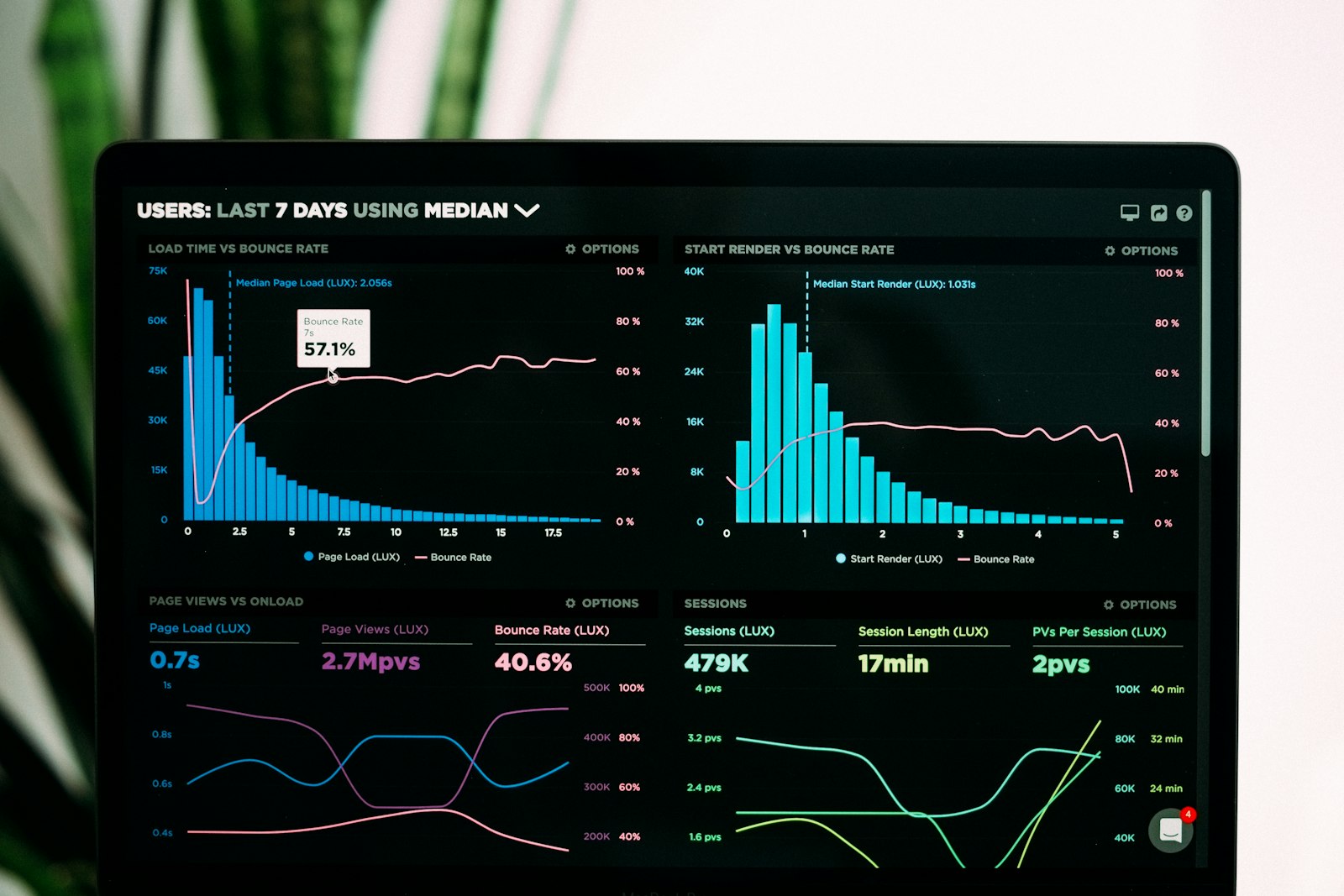
A forecourt control room dashboard has an unusual constraint: it will be on a screen across the room, glanced at by someone who is also answering the phone, logging a delivery, and settling a dispute with a driver. The design principles that work for marketing dashboards density, colour, animation are the wrong ones here. We have rebuilt five of these in the last two years; three patterns did most of the work.
Normal is invisible
The strongest version of the control room dashboard we ship shows almost nothing when everything is normal: grey tiles with a number and a unit. Colour, motion, and sound are reserved exclusively for states that require human action. Operators told us repeatedly that the old "green for OK" version trained them to stop looking; the new version trains them to look only when something is worth looking at.
One screen, one decision
We stopped building "overview" dashboards. Each screen now answers exactly one operational question: which tanks need attention in the next two hours, which pumps are offline, which sites have open alarms. Operators switch between screens using a physical button or foot pedal on the desk, not a mouse the hands are already busy.
Age of data is first class
Every displayed value shows when it was last updated, to the second. This sounds like a small decision and turns out to be the single change that builds operator trust fastest. When a value is stale they can see it immediately; when it is fresh they stop second guessing it. On event driven feeds the staleness clock is easy; on polled feeds it is honest, which is the harder requirement.
What to remove
A short list from our recent redesigns: sparklines nobody had time to read, legends on single series charts, progress rings for values that never reach a meaningful "complete" state, and more than once the company logo in the top left. The control room is not a marketing surface.
leave a comment